Dosimetry that runs
inside your department.
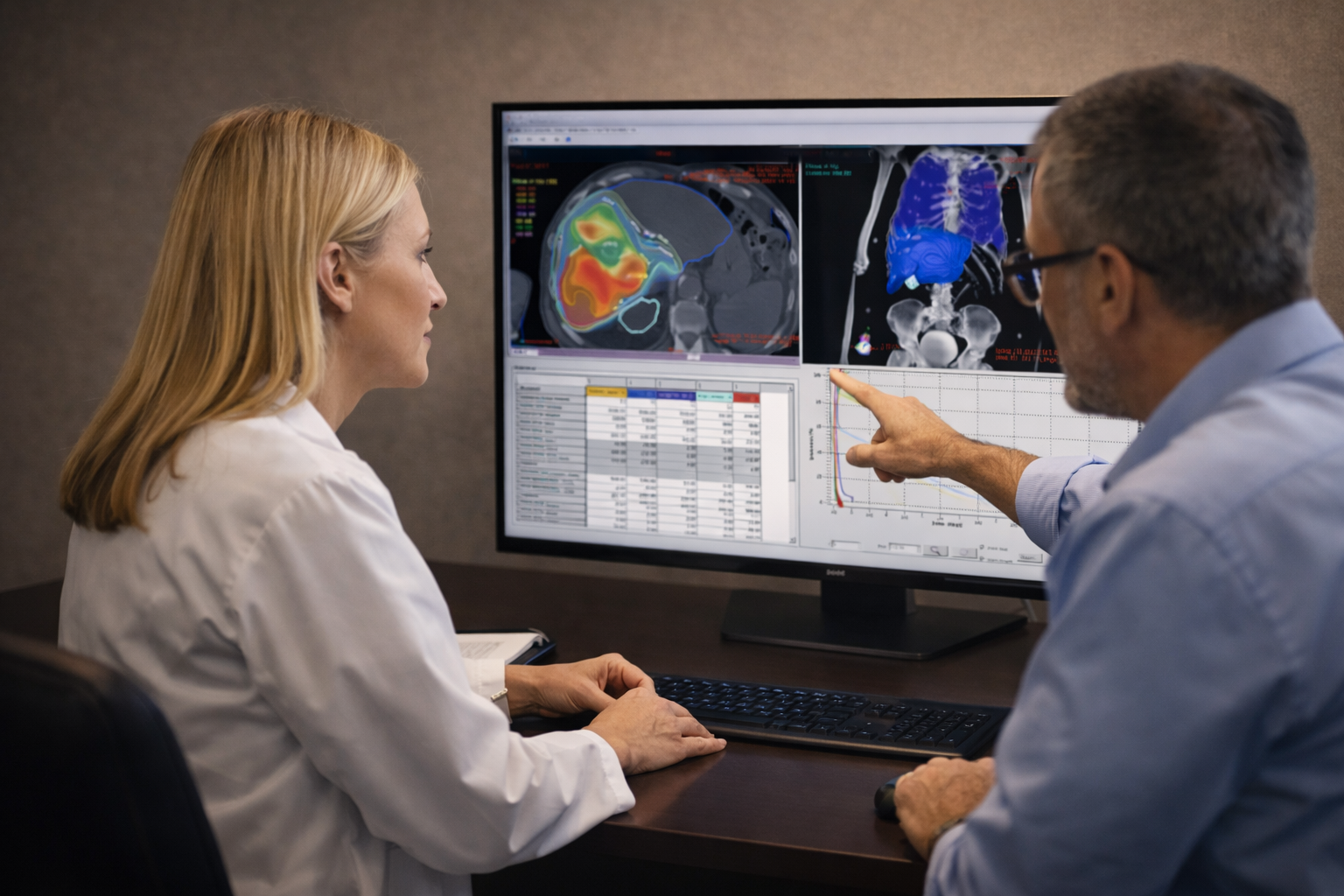
Patient-specific absorbed dose for radioligand therapy and SIRT — implemented with your existing scanner, your existing team, and your existing workflow. No new infrastructure required.
The software is powerful.
What makes it work is the physics.
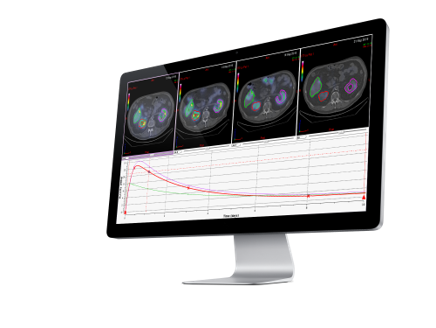
PLANET® Dose requires scanner-specific calibration, validated acquisition protocols, and medical physics expertise to produce results you can act on. We provide all three — so you are not buying a tool and then figuring out how to use it alone.
AI-assisted organ segmentation reduces contouring from 30–45 minutes to a quality-check step. Auto Fit selects the optimal pharmacokinetic model per organ automatically. The full absorbed dose calculation — from SPECT/CT to report — is completed fast enough to inform the next cycle, not document the last one.
Registration, segmentation, curve fitting, dose calculation — every stage can be revisited and updated without restarting the analysis. Save mid-workflow, reopen later, run multiple studies in parallel. We configure the workflow to match how your department actually operates, not how the software was designed to be used in ideal conditions.
When you have a question about acquisition protocol, dose calculation approach, or how to handle an unusual patient dataset — you reach a medical physicist who knows your setup. Not a generic helpdesk. We remain the expert resource behind your dosimetry programme for as long as you run it.
Two models. One level of rigour.
The right model depends on your department's physics capacity and patient volume — not on what is easiest for us to deliver. Both produce the same standard of dosimetry output.
Integrated In-House Dosimetry
PLANET® Dose · Implemented & SupportedYour team runs dosimetry in-house using PLANET® Dose — validated for your specific scanner, with your acquisition protocol, and with Oncosia's specialist support behind it. You build internal capability without building from scratch.
Dosimetry as a Service
Expert-delivered · No software requiredYou acquire the imaging data. We do everything else — quantification, time-activity curve fitting, absorbed dose calculation, and the final validated report. Delivered before your next treatment cycle.
From no dosimetry infrastructure to a validated workflow.
The department had been running SIRT with Y-90 and Lu-177 PSMA therapy in parallel — each programme with its own workflow. They wanted to extend to post-treatment dosimetry for SIRT, add MRT dosimetry for the Lu-177 programme, and consolidate everything onto a single platform.
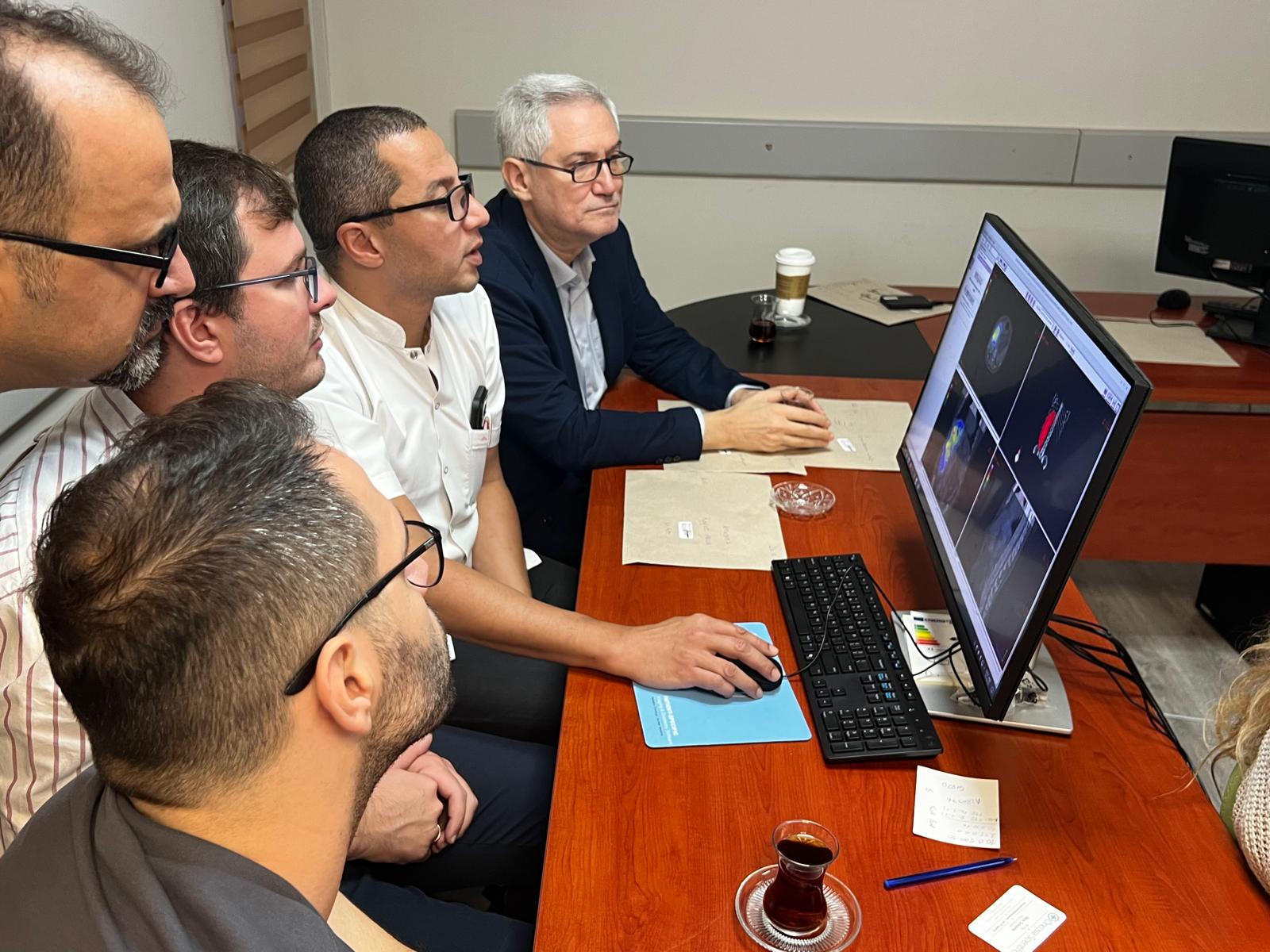
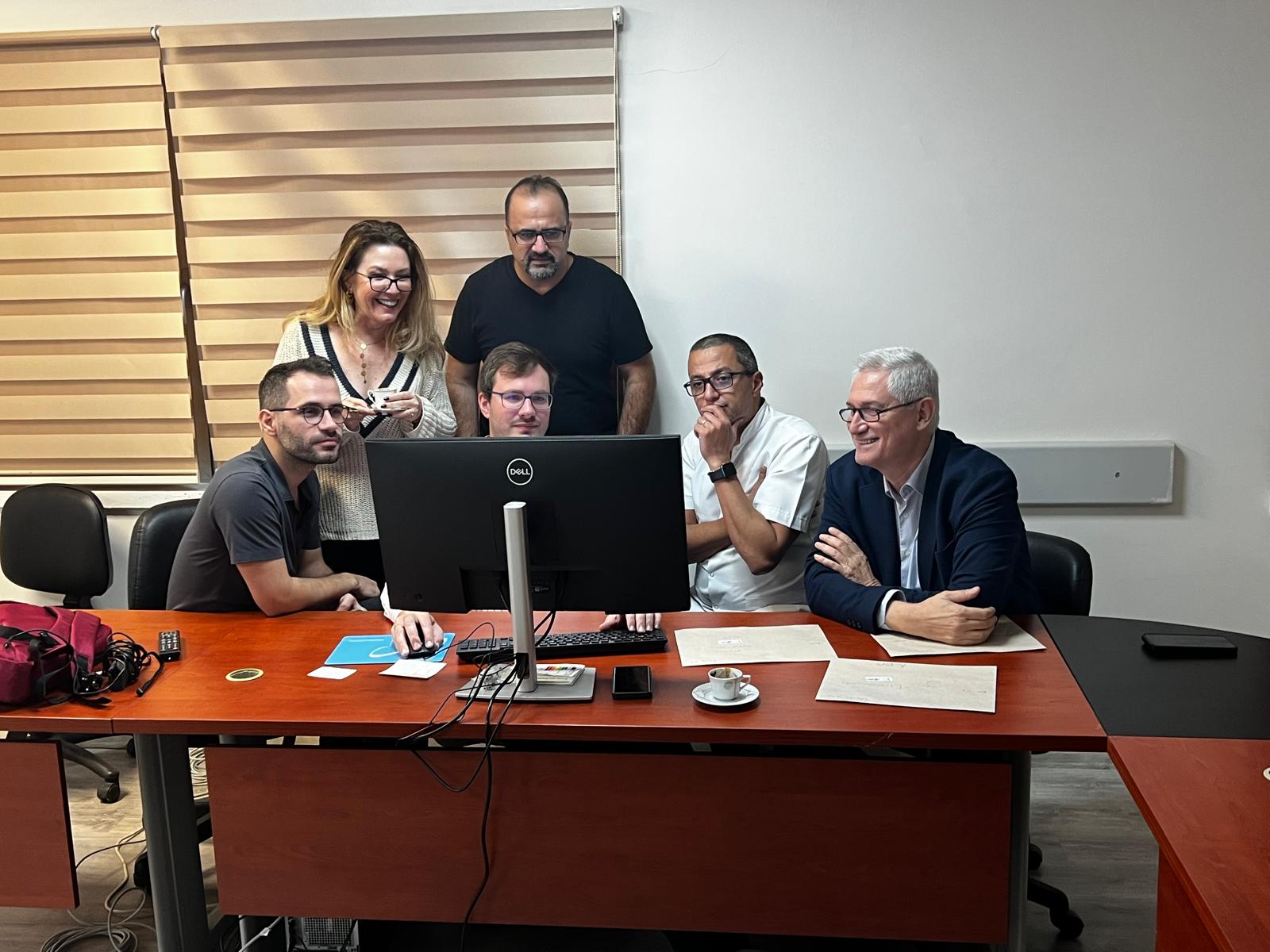
We assessed the site's SPECT/CT and PET/CT setup, validated existing acquisition protocols internally, and prepared the IT landscape for PACS integration. A site equipment analysis was completed to prepare for the Lu-177 phantom study.
~1–2 weeks · PreparationPhantom study performed on-site following Oncosia standards, aligned with EANM and SNMMI recommendations — including SPECT/CT sensitivity quantification and dose calibrator cross-calibration. Acceptance criteria documented and signed off before first patient.
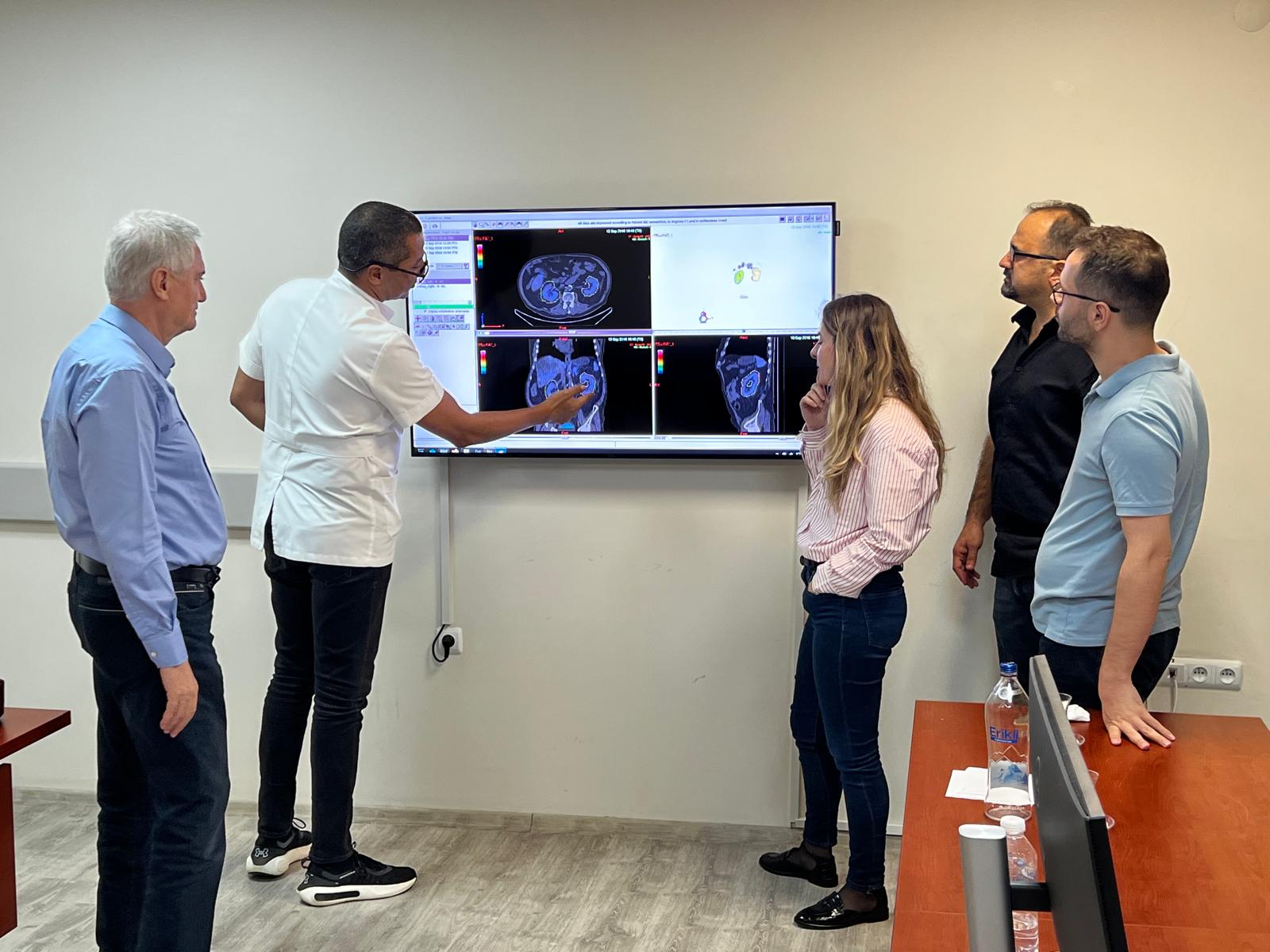
1 day on-site and remote · Documentation within 1 weekWorkstation installed, connected to hospital IT and PACS. Followed by a theoretical training session, hands-on work with the department's own patient datasets, and joint review of optimal time-point selection.
2 daysSpecialist access for edge cases, protocol updates as guidance evolves, and annual workflow revalidation to confirm accuracy as scanner performance and software versions change.
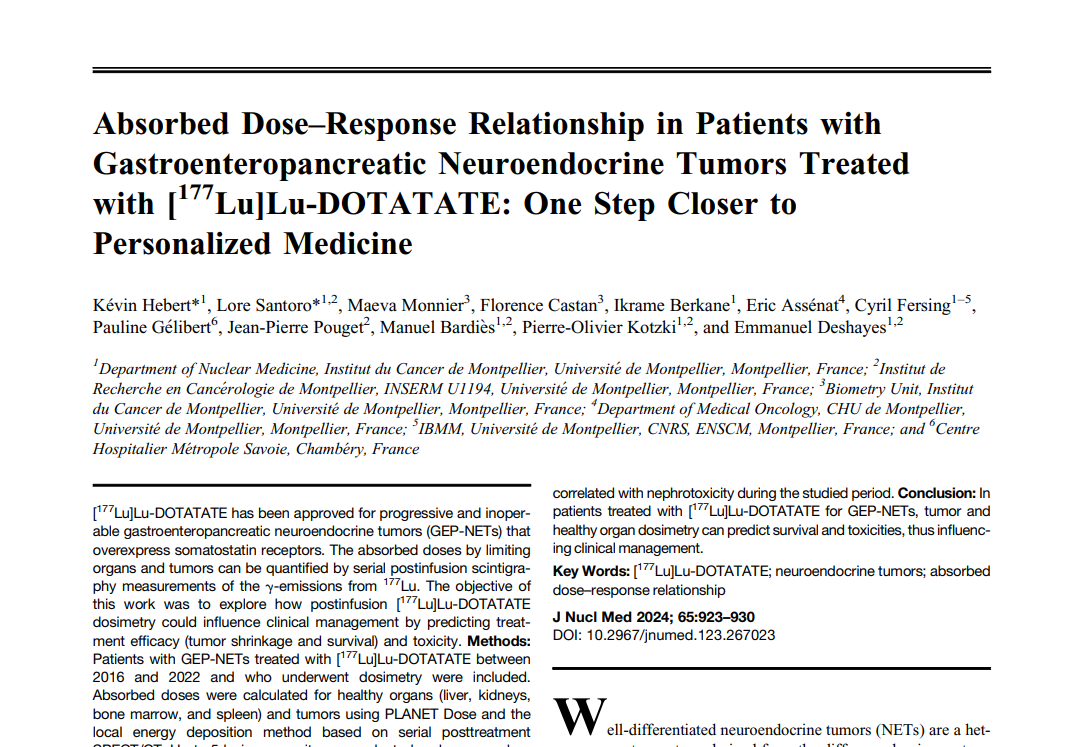
ContinuousHebert K, et al. Absorbed Dose–Response Relationship in Patients with Gastroenteropancreatic Neuroendocrine Tumors Treated with [¹⁷⁷Lu]Lu-DOTATATE: One Step Closer to Personalized Medicine. J Nucl Med, 2024;65(6):923–930. DOI: 10.2967/jnumed.123.267171
Dosimetry performed using PLANET® Dose with local energy deposition method. Serial post-treatment SPECT/CT at up to three time points. Organ and tumour doses correlated with toxicity and tumour volume response.
Questions we hear before the first conversation.
Specific to clinical routine dosimetry. If yours is not here, it probably comes up in the first call.
The first conversation costs
nothing and commits nothing.
Tell us what therapy you are running, what your current setup looks like, and what you are trying to achieve. We will tell you honestly what is possible and what it involves.